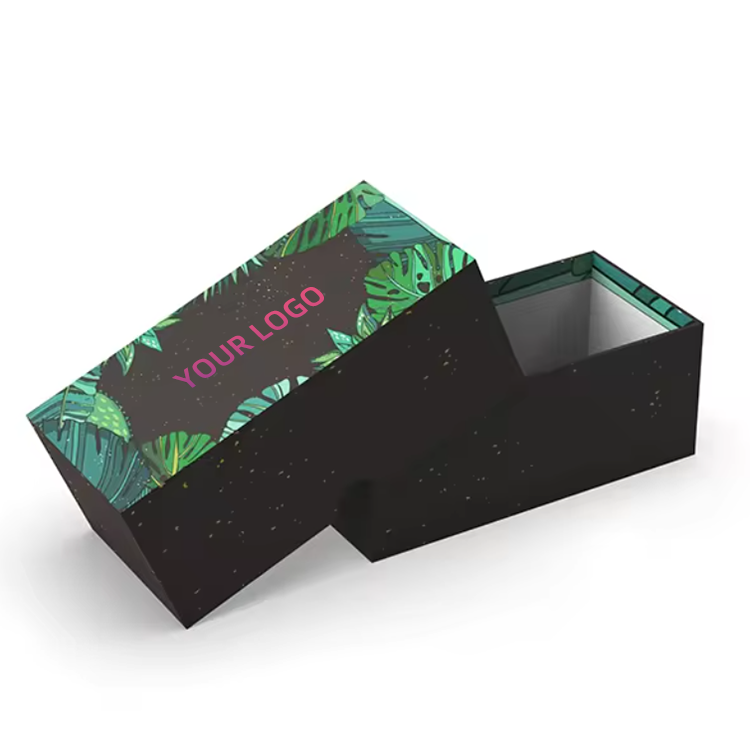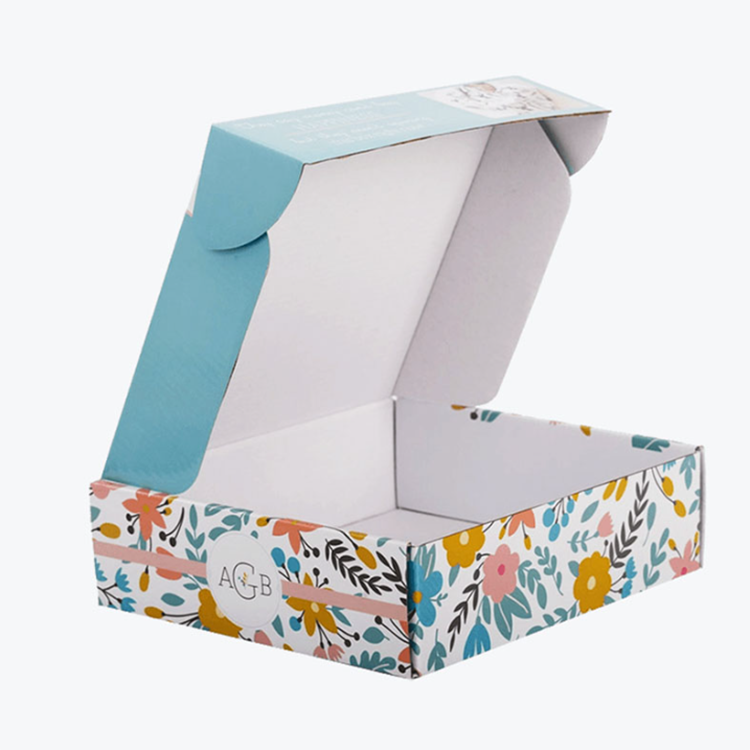
How To Choose The Right Packaging For Your Product
As we all know boxes come in many shapes and sizes, but how do you know which packaging option best suits your product?
Just like choosing the right packaging company for your business, your packaging type and design play a crucial role in the functionality of your products!
Simply, serving your food in packaging meant for cosmetics may not benefit your product or brand. It will leak, ruin your artwork designs, and isn’t user-friendly for your customers!
Optimizing your packaging styles will offer optimal product presentation, protection, and a boosted customer experience.

Let’s delve deeper into the basics that will lay the foundation for your packaging choices!
Determining your Budget
Your budget will determine what material, structure, volume, and shipping services you will utilize.
Custom packaging can be a little mysterious in terms of pricing as the cost highly depends on your customization choices, which we will get into later in this post.
While it may seem appealing to go with the most affordable packaging options, this may be detrimental to your product’s safety and branding.
It’s important to note that more durable boxes will prevent products from breaking and in turn costing you extra in re-production.
Not to mention, if a customer receives a broken product, they may not want to buy from you again, putting your customer satisfaction at risk.
So, if you’re looking to opt for unique designs, it’s important to include the cost of structural design services into your budget in order to ensure your products are safe and sound within new innovative shapes.
Keep in mind that opting for standardized structures is a foolproof way to ensure your products’ safety and in turn can end up saving on costs for your business.

Higher-quality box structures can also help save you money through labor costs, as better boxes tend to be quicker and easier to construct.
More importantly, a higher-quality, well-designed custom box will provide a better experience for your customer, helping you stay in their mind and incentivize repeat purchases, in turn boosting your sales.
Exploring Packaging Materials
When choosing material for your packaging, you must consider your product and the journey it will go on before it reaches your customer.
Most packaging for boxes will be paper, at least in some form, but each style holds different benefits and fits some products better than others.
Below, we list some of the more common materials used for boxes as well as some of their benefits and appropriate applications.
Paperboard
Paperboard, also known as folding carton, offers an ideal solution when seeking a budget-friendly material for your personalized boxes.
Folding cartons are very flexible and easy to fold, making them ideal for a wide array of products and structures.

Most popular for lightweight products sold in-store, these cartons are compatible with multiple printing options, allowing for plenty of customization so you can show off your brand and really make an impact on any shelf.
Consumers tend to gravitate more toward paperboard packaging, with a recent study showing that 68% of consumers prefer this material in their packaging.
Why do consumers prefer paperboard? Because it is environmentally friendly, it’s convenient when handling, and it’s overall aesthetically pleasing.
Paperboard comes in a few different materials, including:
- Solid Bleached Sulfate (SBS) has a clay-coated surface on top of multiple plies of bleached virgin softwood or a blend of softwood and hardwood fiber.
- Coated Unbleached Kraft (CUK) is a combination of unbleached virgin kraft fiber and different southern pine species with some hardwood fiber.
- Coated Recycled Paperboard uses recycled fiber recovered from paper manufacturing, converting facilities, and post-consumer sources in its construction.
Corrugated Cardboard
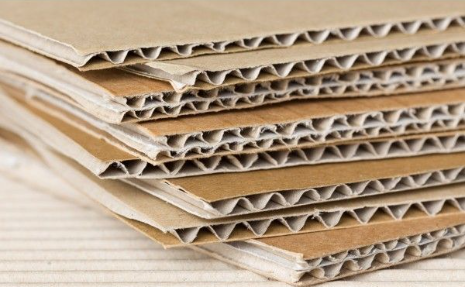
Corrugated cardboard is incredibly durable and made from an arched paper design known as fluting, which sits between two liners.
Due to its durability, it is the preferred packaging choice for products that need some extra protection.
The structure of corrugated custom boxes provides an extra cushion for your product, a benefit that is essential if you are shipping breakable products.
On top of being very durable, this material option is also very customizable, coming in different sizes and thicknesses if you need more support for your product.
The malleable consistency allows for many different box shapes that fit just about any product.
The available printing options are also very versatile, allowing for additional branding opportunities through high-resolution graphics printed directly onto or into your packaging!
The most significant benefit of corrugated custom boxes is their price – they are one of the most affordable available materials, and they are recyclable!
Rigid Boxes
Rigid boxes consist of chipboards wrapped in decorative specialty paper, making them very thick paper-based boxes.
One of the more expensive packaging options, rigid boxes bring an air of luxury to your product, thanks to their top-quality construction.
You will typically find these boxes housing board games, smartphones, and other luxury goods since they are incredibly sturdy.
Rigid boxes stand apart from other packaging options because they involve precisely wrapping paper around solid boards and hand-gluing each board together to craft a sturdy box.
There are two types of rigid boxes:
- Full-finish rigid boxes have an additional layer of wrapping that you can customize to give your customer a memorable experience.
- Partial finish rigid boxes utilize a single piece of chipboard without an additional interior layer, exposing the chipboard material.
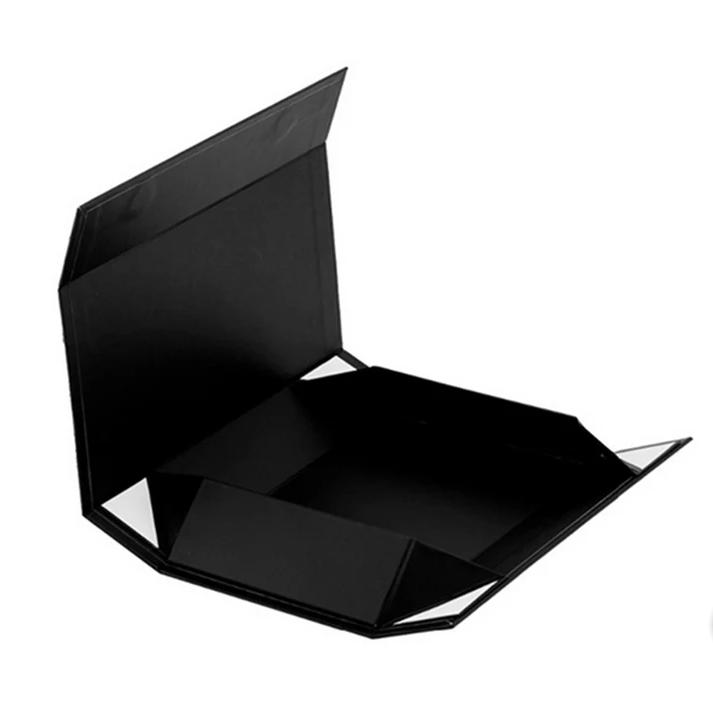
Though rigid boxes are one of the more expensive options out there, they provide a perception of value to whatever they hold.
Because of their quality construction and gift-like feel, customers tend to hold onto the boxes for storage or even as a decorative element in their homes.
Comparing Packaging Styles
There is a wide range of packaging styles, with each made to hold specific products, especially in the custom packaging world.
Each packaging comes in different prints, finishes, and materials, so you can create the perfect custom packaging for your product and brand.
Let’s discuss some of the most popular packaging styles on the market today to help give you a better idea of what you might be looking for.
Every box on this list is fully customizable and available in a wide range of colors and sizes to ensure you can find something that fits your branding, product and initiative!
Here are some package styles to consider:
Folding Carton Styles
Tuck End Boxes vs. Tuck End Auto Bottom Boxes
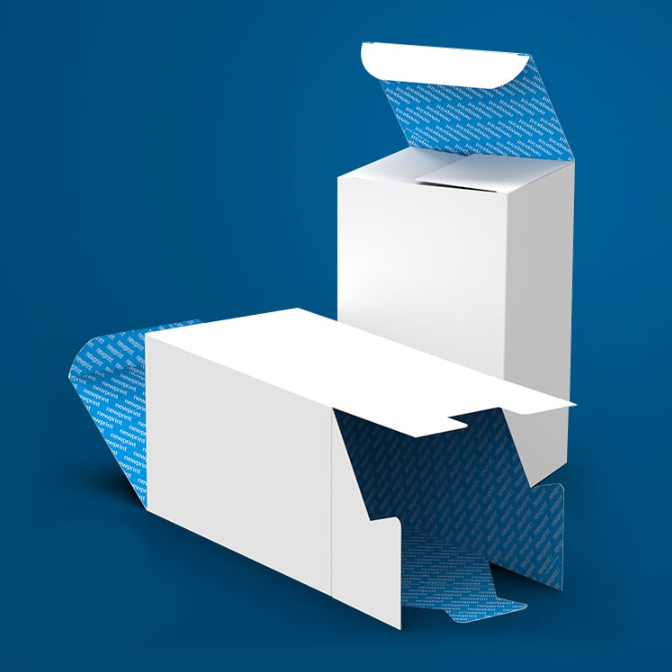
Straight Tuck End boxes can be constructed manually or in an automated assembly line and are great for products that require a large window with a front display panel.
They have a clear display window with a custom cut-out option if you want the window to show off a product with a unique shape or design.
This design is easily opened and closed and suitable for store shelves thanks to the display window and easily stackable shape.
The Reverse Tuck End box is very similar in shape to the Straight Tuck End box.
Like the Straight Tuck End box, this box shape has a display window with a custom cutout option, is easy to open and close, and is ideal for store shelves.
The Reverse Tuck End structural design feature offers an opportunity to differentiate from your competitors and offer a more interesting customer experience!
While Tuck End Auto Bottom boxes look very similar in construction to straight tuck end boxes and reverse tuck end boxes, their construction differs a little bit.
The only real big difference between these styles is that the tuck end auto bottom boxes are constructed in a way that allows you to lock the bottom of the box without using any tape or glue.
Corrugated Box Styles
Regular Slotted Boxes vs. Mailer Boxes
Regular slotted corrugated boxes are probably what you see when you think of your basic shipping package.
If you’ve ever moved properties, you’ve likely used regular slotted boxes to pack your belongings.
Regular slotted boxes offer exceptional support to heavier-weight products and offer a lot of durability, especially in a variety of different shipping conditions.
The bottom has to be hand-taped together, but the great thing is, that they can also be shipped flat, making it more cost-effective and convenient to ship in bulk.
On the other hand, mailer boxes have also gained immense popularity in the e-commerce industry.
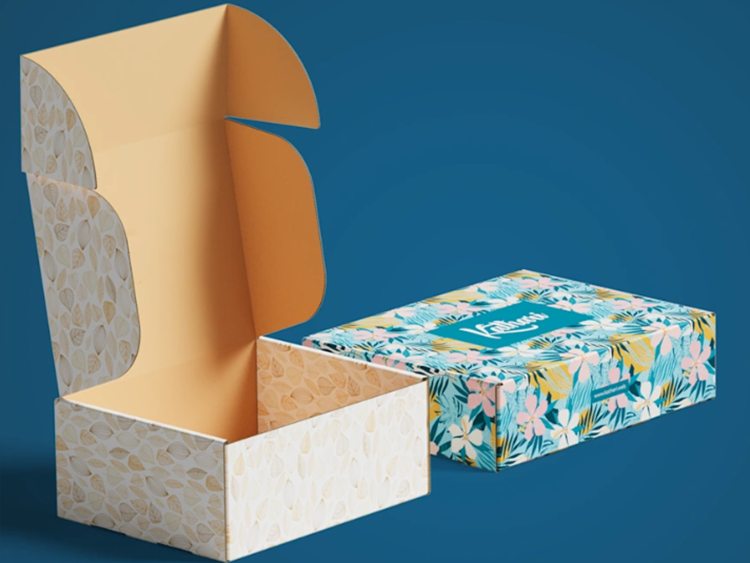
This packaging is specifically designed to store and ship products long distances.
Thanks to their structural design features of interlocking flaps and wings, mailer boxes do not require additional glue or tape for packaging items.
Both of these styles are great options for shipping products, which one is more suited to your product is really up to preference.
Mailer boxes are exceptionally popular for subscription box businesses while regular slotted boxes are commonly used for shipping larger and more heavy weight items.
Taking Transportation into Consideration
It is necessary to understand your box structure when picking a transport option as it could affect which one is most applicable to you.
If your box structure isn’t very durable, your options will be limited, so it’s best to spend extra time on the packaging as it will better protect your product through the shipping phase.
You also must consider your budget and your product when determining which transportation you use to ship your product.
Airfreight
Airfreight is a transportation solution used by companies that need their product transported as soon as possible.
However, it is also one of the more costly options because of airport taxes and other additional fees.
This transportation option is safe and convenient.
However, only certain goods are suitable for air transport due to customs restrictions and other regulations.
If you decide to go with Airfreight, you will need appropriate packaging for your product.
Your packaging must be capable of dealing with atmospheric changes and environmental exposures, in-transport movement, and shock absorption, so choosing the right packaging for your products is critical.
Road Transport
All packaging will be subjected to road transport at some point during the shipping process.
Road transport is cost-effective, allows for easy monitoring of your products’ location, and is excellent for transporting products across short distances.
However, you also have to account for traffic, truck breakdowns, and weather.
While not as much of an issue as it is with air transport, it is still ideal to have packaging to protect your products efficiently enough to land in your customers’ laps intact!
You have to prepare your packaging for careless driving and the typical vibration that comes with shipping products in a truck or van.
Furthermore, we all know your classic careless delivery man who will simply chuck your packaging wherever it needs to go.
So, make sure your packaging can withstand any outside force that may damage your products!
Rail Transport
Rail transport is environmentally friendly and ideal for heavy products for either domestic or intercontinental transport.
It is relatively reliable and safe while also offering fast delivery at a cost-effective price without worrying about road transport variables such as traffic and weather.
The downside to rail transport is that your packaging needs to be prepared for shunting and vibrating during travel.
Also, railways’ limited routes can be an issue, and if you live far from a depot, you have to consider how to transport your product to the station.